Aug
28
Live Well, Lead Well - August Podcast
Episode 1: What's Your LRE? Rethinking Environmental Wellness for Special Educators
 AI, IEPs, and Advocacy: Navigating Special Education
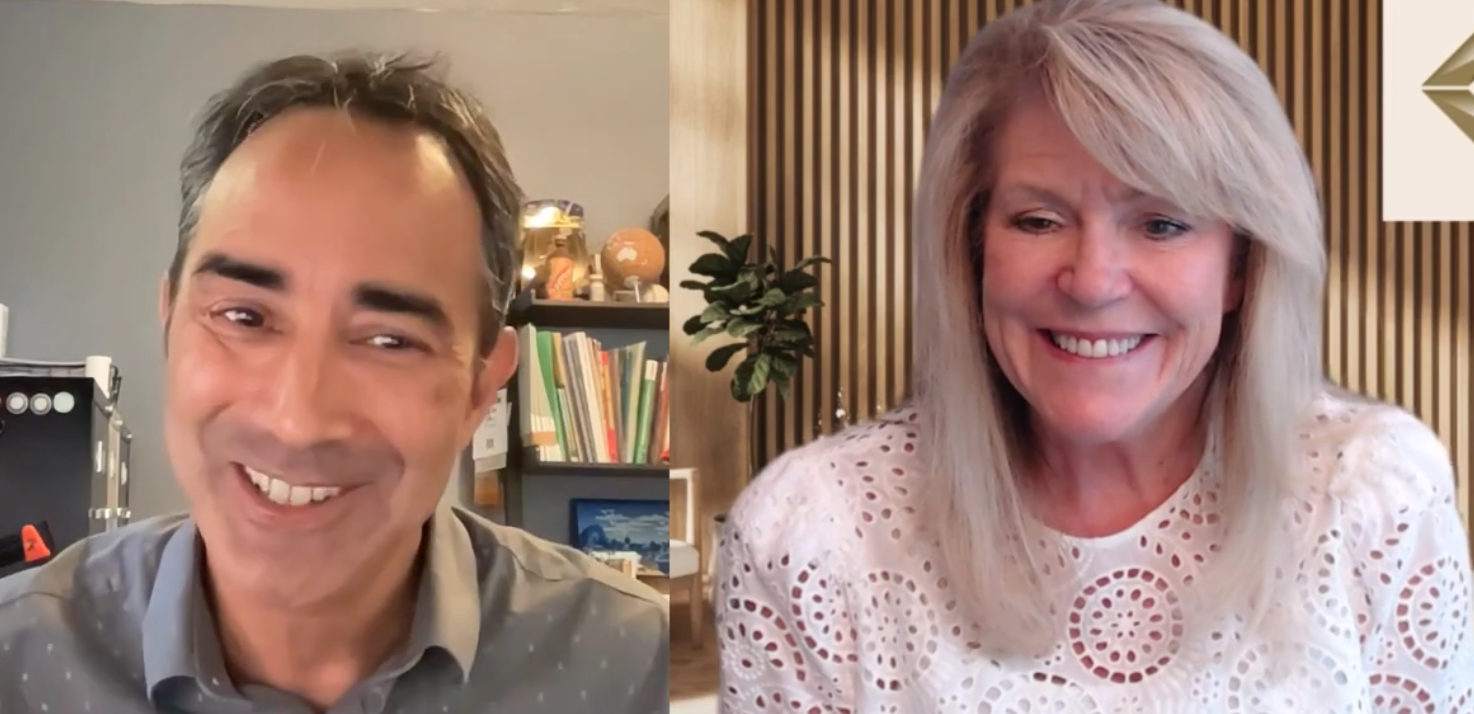
Collaborators: Suzanne Jimenez and Dr. Zabrina Cannady
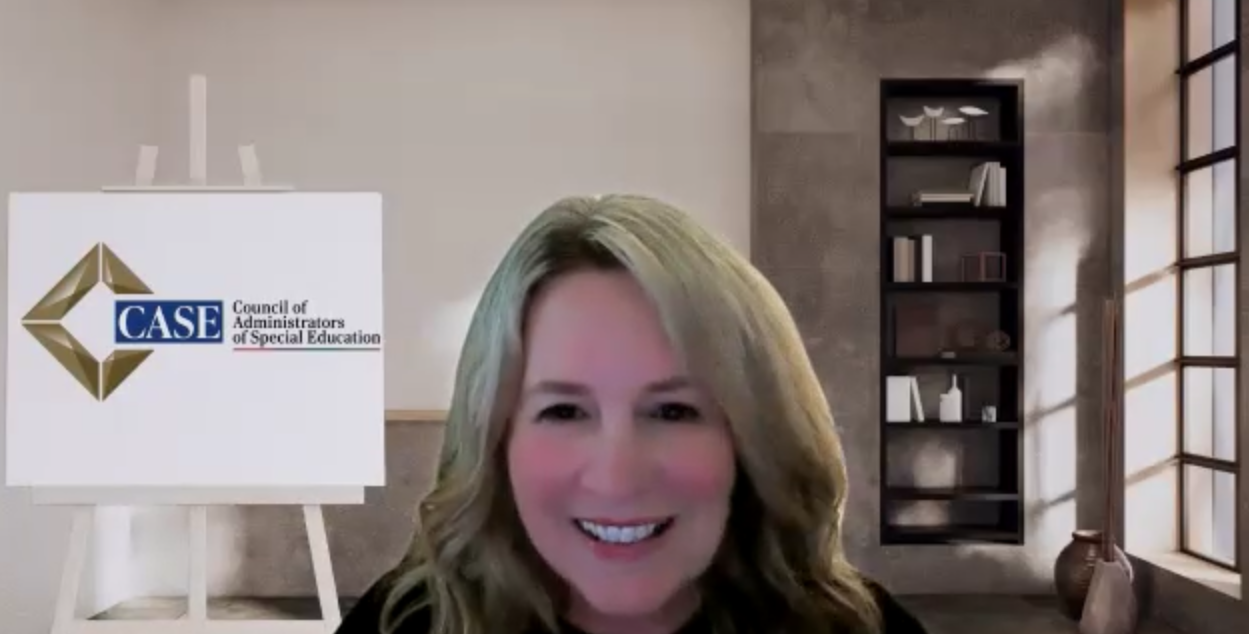
In a recent conversation with Dr. Zabrina Cannady, director of professional learning for the Council of Administrators of Special Education (CASE), one theme surfaced repeatedly: professional development is one of the most powerful tools schools have for improving outcomes for students with disabilities.
 Watch the podcast here.Listen to the audio of this podcast here.
 We hope you enjoy this podcast episode and it helps you take a breath and you are able to focus on your own self care as we make our way through the 2nd half of the school year. To listen to the audio of this podcast, use this link and passcode: Ai8v@Ls2.To view the recorded podcast use this link and this passcode Ai8v@Ls2.
When Winter Break started for me in the middle of December, I had a stunning realization: it was the first time I’d ever had almost a month off, and the first time I’d had more than seven days off that I didn’t work another job, have classwork to do, or both at the same time. I’m not unique in juggling multiple responsibilities, first because I needed to and then because I discovered I felt uncomfortable with sitting still. I am so used to being busy that I’ve programmed myself to add things to my plate when it seems too empty, viewing rest as laziness instead of a requirement. I’ve caught myself saying things like, “I’m not leaving anything on the table,” or “I’ll relax when [this ridiculously unreasonable and lofty goal] is accomplished,” or “I have to.” And then, suddenly, I had no excuses to make. A faculty member asked what I was planning for my break in the absence of work, and I shrugged, told her I’d probably read a book and catch up on projects I’d been neglecting, and that I was sure I’d find something to keep busy. “I like to be busy,” I said, and she smiled knowingly, in the way that people do when there’s something underneath it.
“You should take time to rest,” she said, and I smiled back, but I felt myself recoil. Rest has always been the space between what I need to do and what actually gets done, usually punctuated by guilt about deadlines, to-do-lists half-completed, and the state of my house. But her words stuck with me, even as I ignored them. I cleaned my whole break away, restrung my holiday lights when they fell (twice), and visited my great-grandma. I worked out every day, read a book (or ten) on my walking pad and wore the rubber off my shoes, studied for, took, and passed the National Counselor Exam, and cleaned the garage. I slept when I felt exhausted and woke up before my alarm. My house looked great! I took my brothers to their doctors’ appointments and finally tackled a pile of rotten leaves in the front yard. We threw a birthday party, went to visit my wife’s grandma in Nebraska, and got back in time to see the rest of our family before the New Year. Then, the break ended, we went back to work, and my to-do list was somehow longer than it was when I left, despite my frantic busyness. When I counted the days I actually rested, there had been three – in almost four weeks. I told another friend and counselor-in-training that I didn’t know where the time went, I needed more of it, and I somehow felt more tired than when the break started. In a text-message, she gave the verbal equivalent of that knowing smile, and reminded me of something I’m sure I’d heard before but had long forgotten and certainly didn’t believe: that I didn’t need to earn my rest.
 Watch Gratitude in the Grind, using passcode: eTu3J?ziAnd take a moment to honor the dedication, heart, and hard work that define our field. As we move into the final stretch of the year, our November vlog invites you to pause, reflect, and reconnect with what fuels your work as a special education leader. “Gratitude in the Grind” explores the powerful role of appreciation—both giving and receiving—in sustaining ourselves and our teams through demanding seasons. Whether you're preparing for the busy months ahead or looking to reset your perspective, this vlog offers a reminder that gratitude isn't an add-on—it’s a leadership tool. When we intentionally recognize the people and small wins that keep us moving forward, we strengthen our capacity to lead with clarity, compassion, and purpose.
I have no concept of time. This is something I discovered several years ago, by accident, in a conversation with my wife about something I’d thought happened a couple of weeks before. She looked at me like I’d grown a horn on my head, raised an eyebrow, and replied simply, “that was four months ago.” I’d shrugged, and in that moment, my fate was sealed as the person in our family who has no sense of when things happened, when they will happen, or even how long five minutes feels.
I say all of that to say this: the holidays snuck up on me this year, and it was approximately three weeks ago (okay, it could have been five weeks or two months ago) that my wife also reminded me our wish lists for the holidays were “due” to our family on November 1st. Today, several weeks later, I have exactly one thing on my list: a blinking cursor. Because I tend to view nothing as a unique experience, I’m willing to guess that those reading this have something (or several somethings) on their lists as well as we approach the holidays: things to do around the house, things to finish up at work, gifts to buy for loved ones, plans to make for celebrations. For me, the days blur together, are somehow unbelievably short and insanely long all at once, and usually end with a longer list of “to-do’s” than they began with. Then, when we add to these lists the pressures we face at work, in our personal lives, and in awkward dinner-table conversation at family holiday dinners, it comes as no surprise that many of us feel more like Ebenezer Scrooge than Santa Claus. Life is a grind, even when everything goes well. But when it doesn’t go well, that grind can sometimes feel like a nightmare it’s hard to wake up from. So, how do we wake up? How do we honor the hard moments, validate our exhaustion, get our work done, and still show up for the family dinner? The answer is so simple it seems ridiculous: gratitude.
I sat down to write this blog post nine days ago. I typed out the title, erased it, adjusted the font, typed it out again, decided to try a different one, and erased that one too. When I decided that the worn-out cushion of my office chair must be the reason that I couldn’t think of anything to say, I raised the standing desk, jumped on my walking pad, and started moving. Then, the phone rang. I shut the computer, reassured myself that I would come back to it just as soon as I finished solving the problem that came up in its place, and then I forgot about it until nine days later, when my internal panic about unfulfilled promises started feeling like an emergency whose origins I couldn’t quite put my finger on. Panic led to memory, and memory led to this moment: back on my walking pad, the very opposite of mindful and probably well-past expert status in nothing except my own burnout.
If you’re reading this as an administrator working in special education, a teacher, a student, or even somebody who clicked the wrong link online and ended up here by mistake, I don’t think it is much of an assumption to make that you are either currently overwhelmed by life’s competing demands, have been in the past, or will be sometime in the future (I’m not a fortune-teller, just a realist). If unchecked, what starts as a relatively simple human experience can lead to a debilitating burnout, which is what happened for me. About three weeks ago, I got home from a 14-hour day seeing clients, taking classes, and using 15-minute walk breaks to check on clients at my other job over the phone, and I told my wife, “I can’t do this anymore. I’m quitting.” And quit I did.
We are excited to launch this new platform dedicated to supporting the special education leaders who dedicate their lives to serving students. At CASE, we recognize that educator well-being is essential—not only for personal health, but also for sustaining strong, resilient schools.
By Christina Cipriano and Gabrielle Rappolt-Schlichtmann
Top Five Reasons Special Educators Should Get Involved in #SELDay